May 202012
 

FYM Photography is proud to announce the availability of UNITY ONE Mobile Location Management & Post Production Services.

Powered by UNITY ONE Mobile

We’ve taken our super computers mobile!   UNITY ONE processing power is now available for on-site data management, location logistics support and post production services.  If you have a large photoshoot requiring professional data management & backup services, FYM Photography delivers the tools to keep your production rolling and give you piece of mind.  The best hardware, industry standard software and professional personnel with the field experience to help execute your vision.  UNITY ONE Mobile comes to you wherever and whenever you need it.

Our mobile production vehicle is equipped with UNITY ONE Workstations featuring

  • Intel 6-core i7 Processors for maximum processing power to cut down wait times
  • 32GB System RAM
  • Solid State Hard Drives for the fastest responsiveness and efficient workflow
  • 32TB Storage server to hold up to 100 hours of ProRES 444 1080p HD Video Material
  • Cloud storage backup to FYM Photography Studios for an extra measure of data security
  • NEC Professional Monitors for perfect color performance
  • GPU Accelerated workflow with nVidia CUDA graphics technology to save you time & money


Deliver The Best Using The Best from Adobe

  • Adobe Creative Suite enabled with cloud services for maximum versatility & on-site capability
  • Adobe Lightroom for professional shoot organization, management and post production

Edit across multiple screens for faster on-location workflow


UNITY ONE Mobile allows you to

  • Manage your capture and data needs onsite without concern for memory limitations or data integrity
  • Execute post production on-site in real time for events and location shoots to maximize your capture time
  • Technology leadership to deliver the best presentation and instruction needs for on-location photoshoots and workshops
  • Deliver on-site Photography & Video Production Services
  • Logistics management to help you scout your locations and help organize the shoot for the most efficient work flow

 Let us worry about the technology and let your creativity flow.  UNITY ONE Mobile is offered in Alberta and Saskatchewan starting at a rate of $149/location hour + travel time.


Jan 132012
 

Most cameras today have the option of shooting pictures in RAW format.  RAW format is equivalent to a digital negative, a direct copy of the image captured at the given moment.  Compare this to the JPEG where the camera’s internal processor tweaks and renders the image for you and saving the doctored file to your memory card.   JPEG is excellent for its small space requirements, decent picture quality and ready to share nature for social networks and e-mails.   For enthusiasts looking to preserve the most image quality and have the most flexibility to tweak their image, RAW is the best format.   As a digital negative, RAW allows you endless tweaking, exceptional latitude in pushing the image to its limits and best of all, this is all accomplished in a non-destructive manner.

Here’s my primary reasons for shooting RAW;

  • Non-Destructive Editing – Photographer has complete control over the “development” of the image much like the film days.  This allows endless processing, tweaking and changes all without affecting your ability to return the image to the original.  All without any quality penalties, loss of the original image and most importantly, the ability to re-edit with different skill sets down the road should you choose to revisit the images.   When you make adjustments to a RAW file, you’re not actually doing anything to the original data. What you’re doing is creating a set of instructions for how the JPEG or TIFF (another file format) version should be saved.  You can always reset your adjustments, and start over again. JPEG files lose quality every time you open them, make adjustments, and save again. True story. It’s what is known as a “lossy” file format. So if you’re making edits to JPEGs you always have to be duplicating the image and saving out a new version if you don’t want to lose file quality.
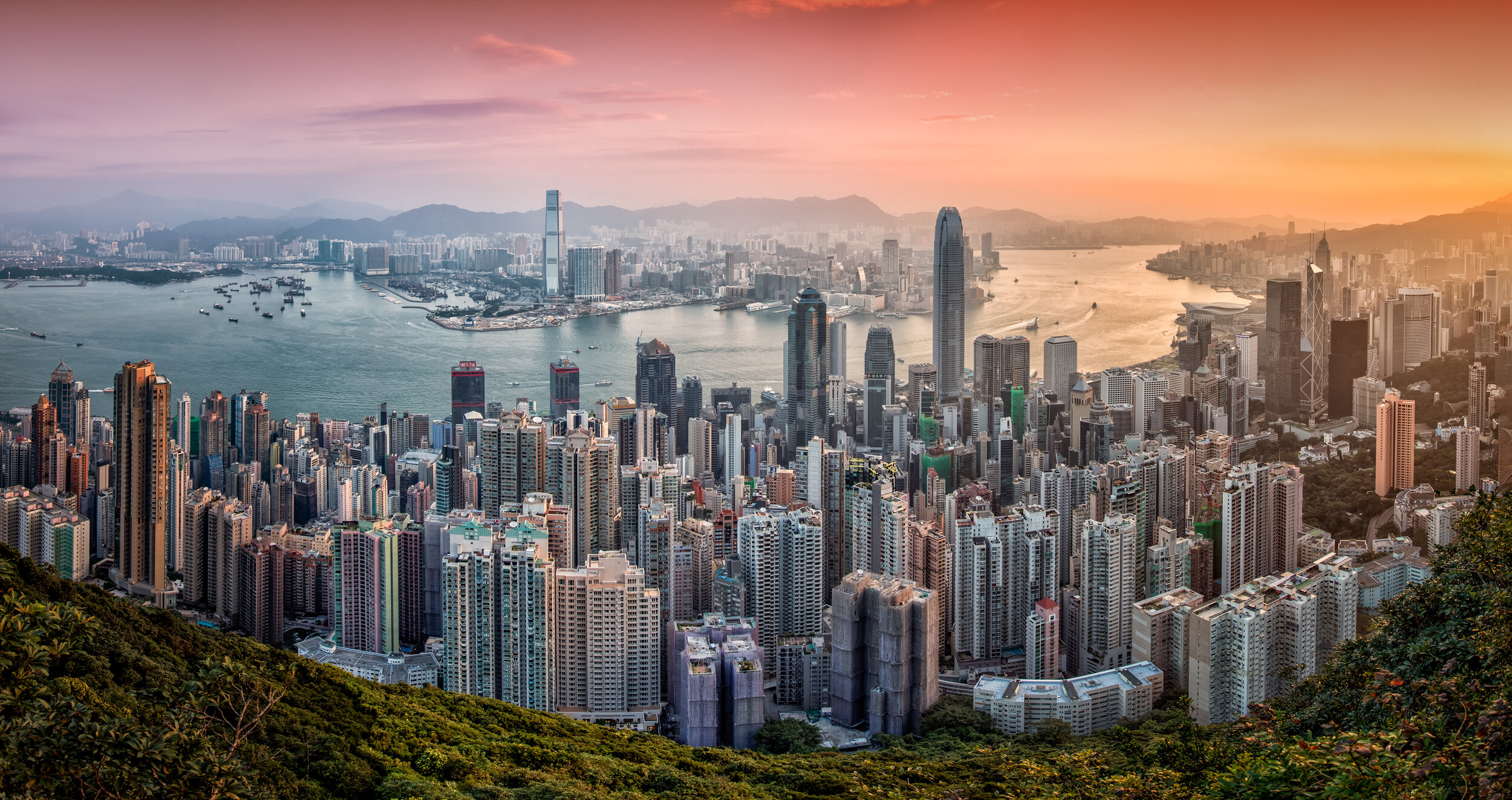
  • Flexible Image Parameters – since the camera is not making predetermined processing selections for you, everything from white balance, contrast, saturation and image noise are all at your disposal for tweaking and finding the balance which best reflects the image in your mind.   This extensive flexibility gives you the highest level of image quality available.   With the image below, RAW has allowed me to retain details in the dark forested areas in the bottom of the frame and bring them back.  The RAW data has also nicely preserved the detail of the downtown buildings which still show excellent levels of sharpness when they are lightened.  These changes would be far more limited had I been working with JPEGs instead.
  • Greater levels of brightness and shadow are recorded – Levels of brightness are the number of steps from black to white in an image. The more you have, the smoother the transitions of tones.   JPEG records 256 levels of brightness, and RAW records between 4,096 to 16,384 levels! This is described with the term “bit”. JPEG captures in 8bit, and RAW is either 12bit or 14bit. Those additional steps of brightness let you make more adjustments (expoosure, blacks, fill light, recovery, contrast, brightness) to your image without a significant reduction of quality, because there’s more levels to work with!  It’s also easier to avoid or correct posterization in your images when you shoot in RAW. Posterization is the banding that you often see in bright skies.  The images below highlight the ability of the RAW file to retain details in both the dark and light areas of the image which can be recovered and tweaked to produce the final vivid image.

Example 1 - Recovered detail in foreground forest, restored detail in sky, retained sharpness and resolution in downtown.

Example 2 - Recovered detail in clouds, balanced exposure for foreground and background details, corrected color cast for foreground.  


RAW files have been my main format for a number of years.  The flexibility of the image, scalability of processing (based on your growing skill and return visits to old images) and the ability to start from ground zero without losing the original digital negative far outweigh the main benefit of JPEG which is small file size.  At the end of the day, I might pack an extra memory card or two, but that’s a small price to pay for the ability to maximize my captures especially if they happen to be once-in-a-lifetime opportunities.  Besides, at less than $50 for 16 or 32GB SD Cards, memory is cheap and isn’t really an excuse not to archive your images in the best possible way :)

 fym photo recommends Adobe Lightroom for your RAW processing and camera workflow needs. 


Dec 102011
 

Come and enjoy the many splendours of the Kananaskis Provincial Park & Banff National Parks in Alberta, Canada during the peak of the Canadian winter. Explore parts of the Canadian Rockies in both a location and in a season few photographers ever witness. Come and see the amazing sunrise and sunsets of the Rocky Mountains and visit some of the hidden gems of landscape photography.

Please note that this is not a teaching style photo workshop but rather an intense photo tour emphasizing maximum time and opportunity for field photography.  Please note that these tours are for people with a keen interest in photography who want in-depth immersion into field photography with a group of like-minded individuals (six to seven participants max). In all tours there will be ample opportunity to share experiences and techniques with other participants. Please be advised that you should be fit enough to hike with your gear in winter conditions.

  • Banff National Park is the third oldest national park in the world and certainly one of the most magnificent. We begin at sunrise on Lake Louise, Canada’s “Diamond in the Wilderness.” Let your lens take in the artistry of the sun’s rays as they paint the glassy surface of the water with radiant hues. Continue taking advantage of the morning light as we move into view of Victoria Glacier, a towering presence at the head of the lake.
  • Capture some of Banff’s most majestic sights along the Mount Norquay Scenic Drive, including Mount Rundle, Bow Valley and the park’s varied wildlife.
  • Take in the majestic sights found along the Vermillion Lakes Scenic Drive. Seize the opportunity of the winter season to document some of nature’s delicate details, from the frosty morning mist hovering over reflecting pools to the feathery patterns in the ice
  • Craft portraits of this theatrical season at Johnston Canyon, where you will encounter waterfalls frozen in time and giant icicles suspended from cliff faces in uniquely dramatic poses.
  • A ride along picturesque Tunnel Mountain Scenic Drive will lead us to Surprise Corner and Hoodoos Viewpoint, both of which boast remarkably gorgeous geological sights.

Dates & Cost

Single day journeys for January 21, 22 2011

  • $249 per participant.  Limited to 3 participants per day.
  • Transportation and all entrance fees
  • In-the-field instruction
  • Digital Review sessions
  • 5am departure from Calgary.  Approx 8pm return time.

Recommendations

Weather – We will be shooting mainly outdoors, bring a variety of clothing and it is recommended to dress in layers to suit changing weather conditions.  Good walking shoes or snow boots would be an asset as would appropriate cover materials for your gear.

Equipment – As landscapes and wildlife opportunities are abundant, it is recommended to pack at least 18-200mm range lenses, extra batteries and lots of storage.  A tripod with a carry case and a towel to wipe down equipment is also recommended.


Jul 262010
 

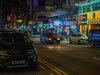
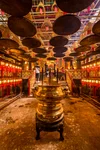
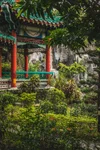
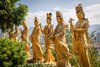
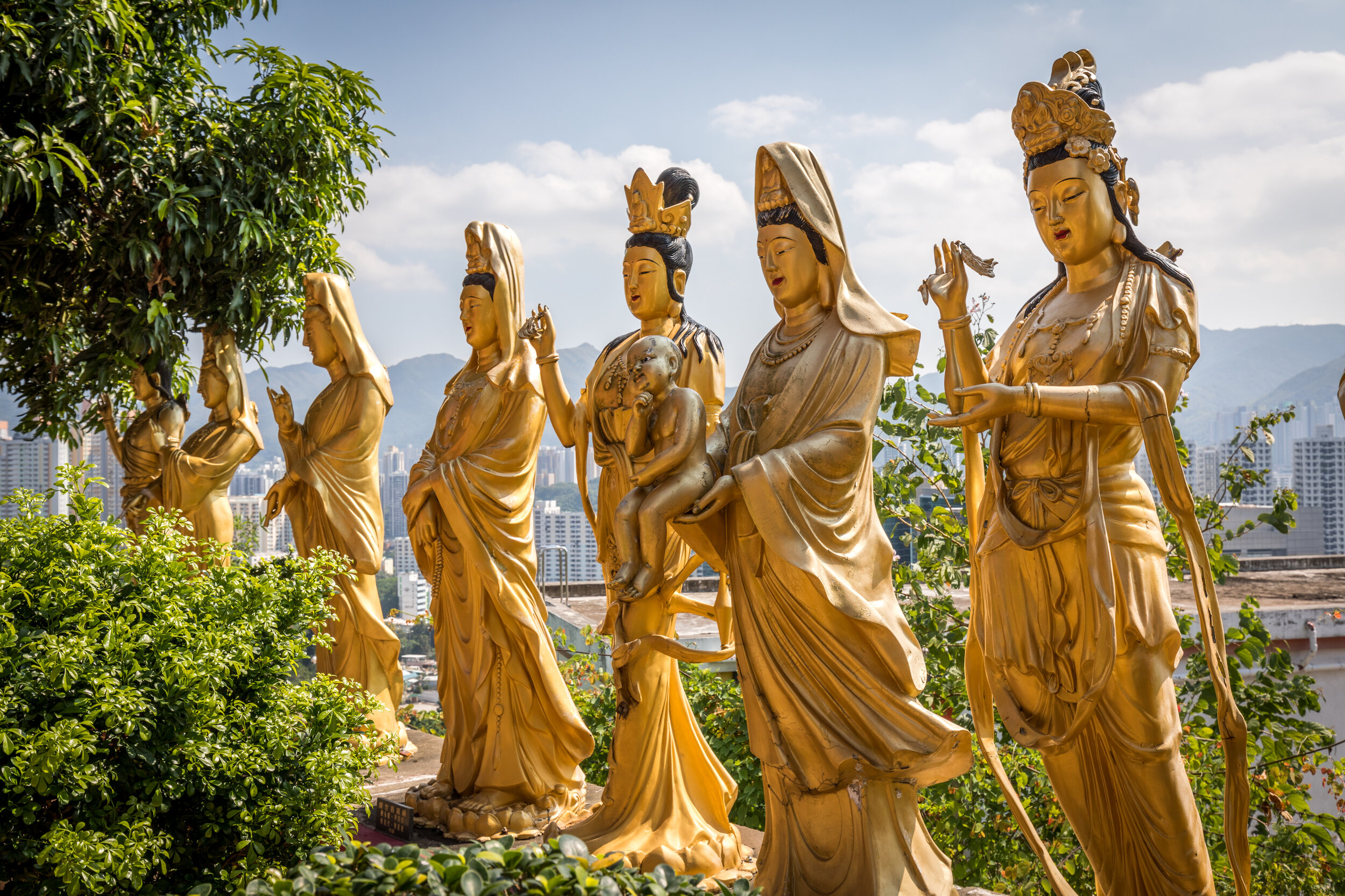
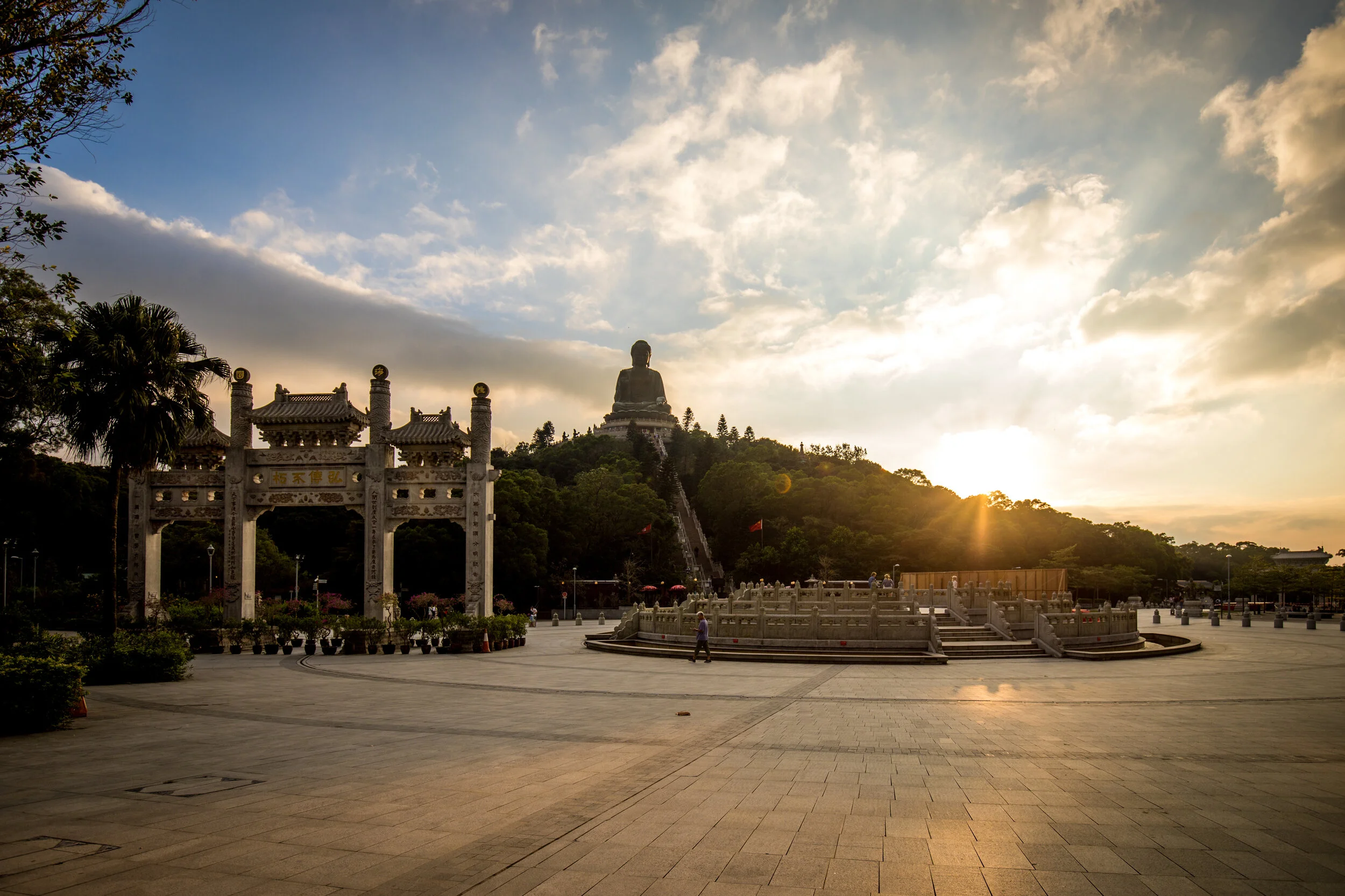
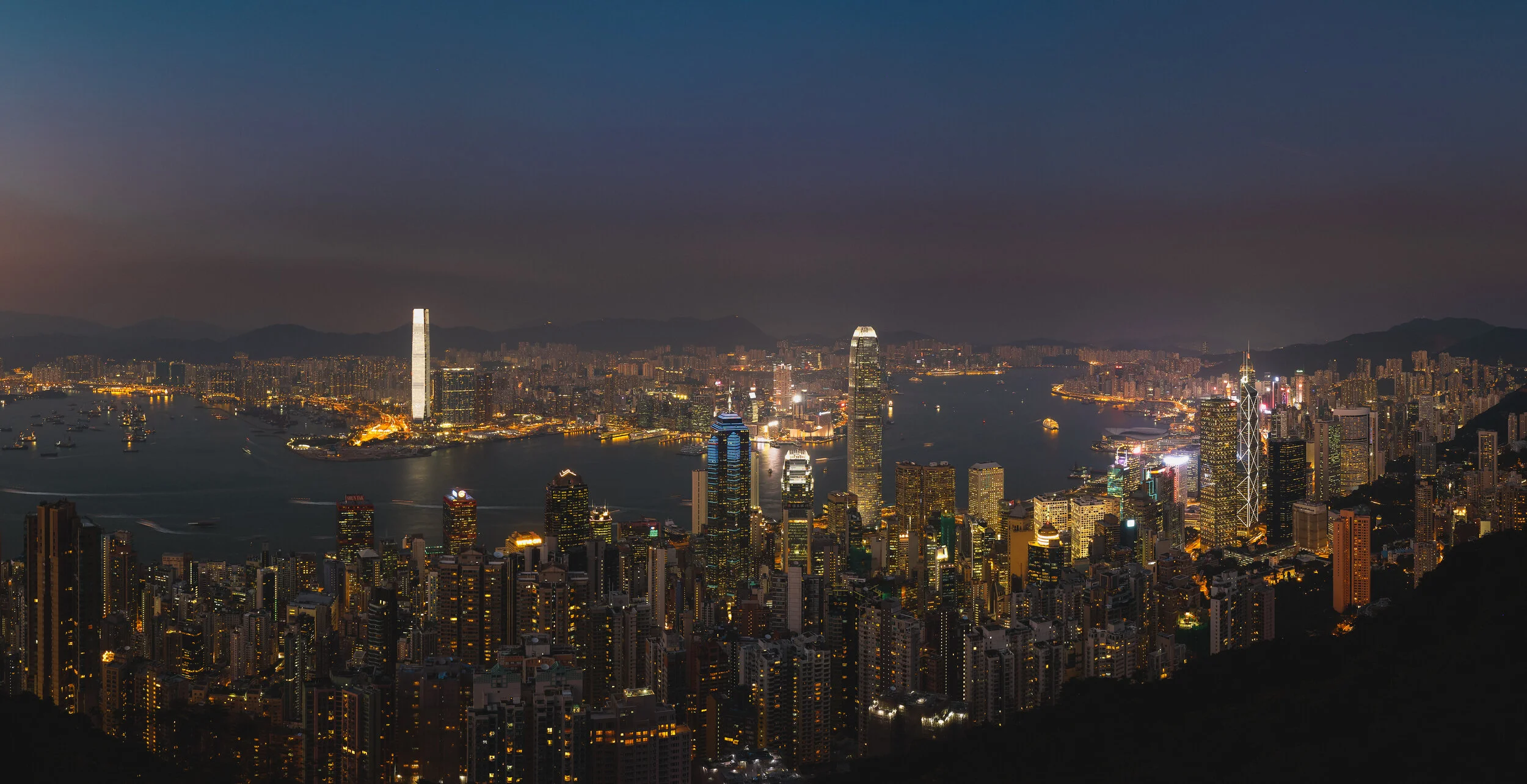
October 5 – 20, 2012. This departure is limited to a maximum of twelve participants. It is intended for people of all levels of interest and accomplishment in film, or digital photography. While the emphasis will be on photography, this is also a cultural journey, which we believe will enhance your ability to capture the essence of Hong Kong in your images.

From the bustling street markets, cosmopolitan metropolis and all the way up to the lookout on Victoria Peak, Hong Kong offers  a very distinct journey into architecture, east meets west and religious retreats.  Join us as we explore a city entrenched in Chinese tradition, grown on colonial influence and now shining as a jewel of the modern China.  Prepare to be dazzled by a breathtaking symphony of lights in cosmopolitan Hong Kong. City-lovers worldwide rank Hong Kong among their must-see destinations, and for good reason.

A former British colony perched on the edge of mainland China, Hong Kong is a fascinating city of contrasts—a place where East meets West; where the modern blends with the traditional; where shiny skyscrapers stand next to narrow alleys crammed with traditional vendors’ stalls; where new technology flourishes alongside ancient Chinese customs. With its glorious harbor, excellent shopping, renowned restaurants, and some of the best nighttime skylines in the world, Hong Kong has it all.

For more information, contact us or visit our Photo Expedition page for more details.


Content Protected Using Blog Protector By: PcDrome.