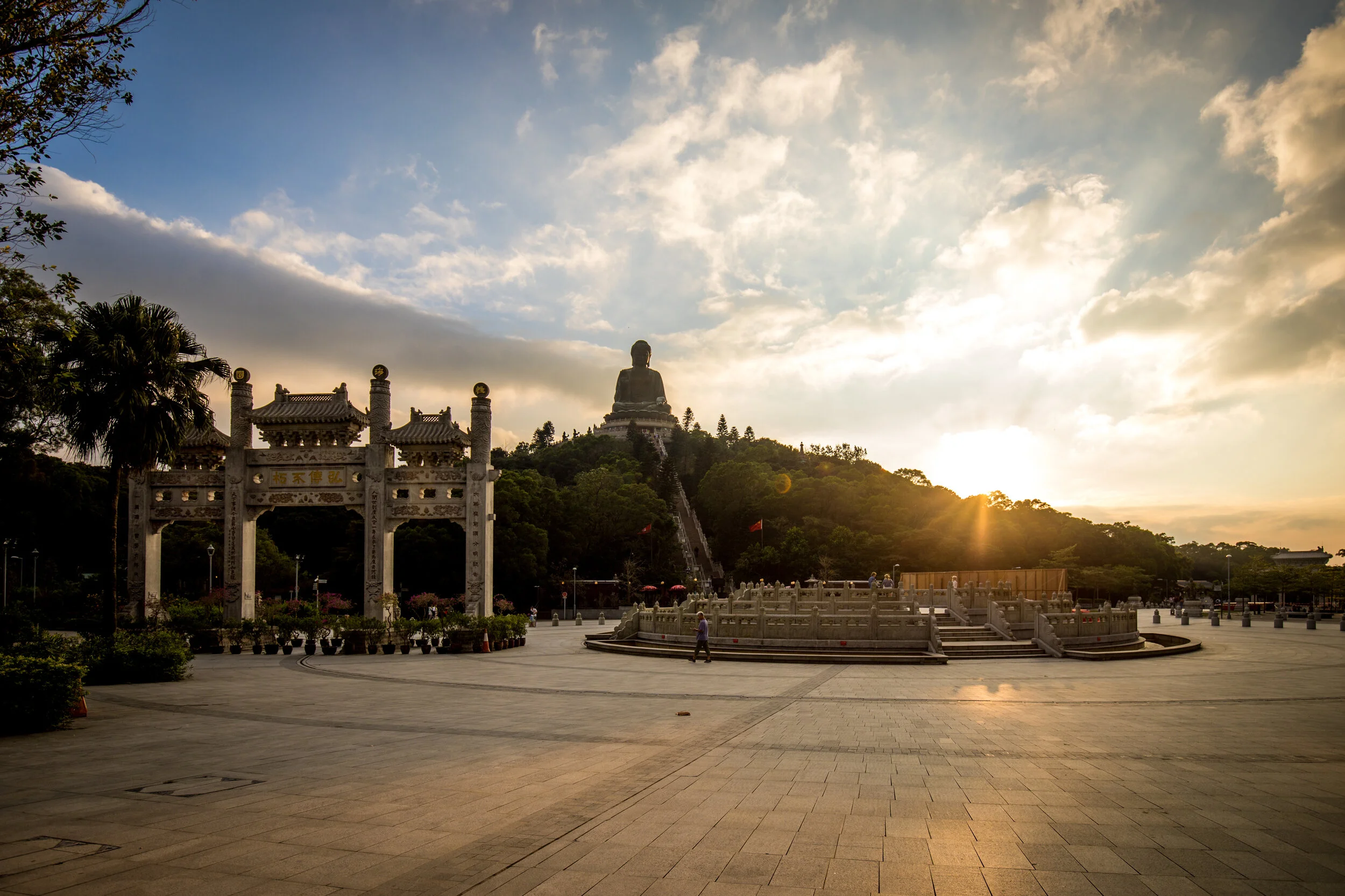


From “Hong Kong” by Francis Yap M.
October 2009. Sha Tin is a city in the new territories of Hong Kong. This bustling city lies far away from the neon and tourism of Hong Kong Island and Kowloon. Sha Tin also moves away from the cultural British influence that still permeates the popular Hong Kong. It is here we find another historic Buddhist retreat, the Ten Thousand Buddha’s Monastery. Buddhism remains the most dominant religion in Hong Kong with over 90 percent of the population as devout followers. Sitting perched on the hills overlooking Sha Tin sits the land granted to the Reverend Yuet Kai by a wealthy Hong Kong merchant. Yuet Kai was a Buddhist Monk who came to Hong Kong in 1933 and established a Buddhist college on the site. Beginning in 1949, Yuet Kai, with the help of his disciples began the construction of the Ten Thousand Buddha’s monastery. Personally carrying building materials from the foot of the mountain to the plateau, the complex was finally completed in 1957. Another ten years was required to complete the statutes that would line the pathway leading to the complex as well as the over 12 000 contained in the main hall.
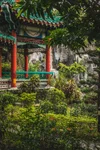
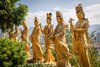
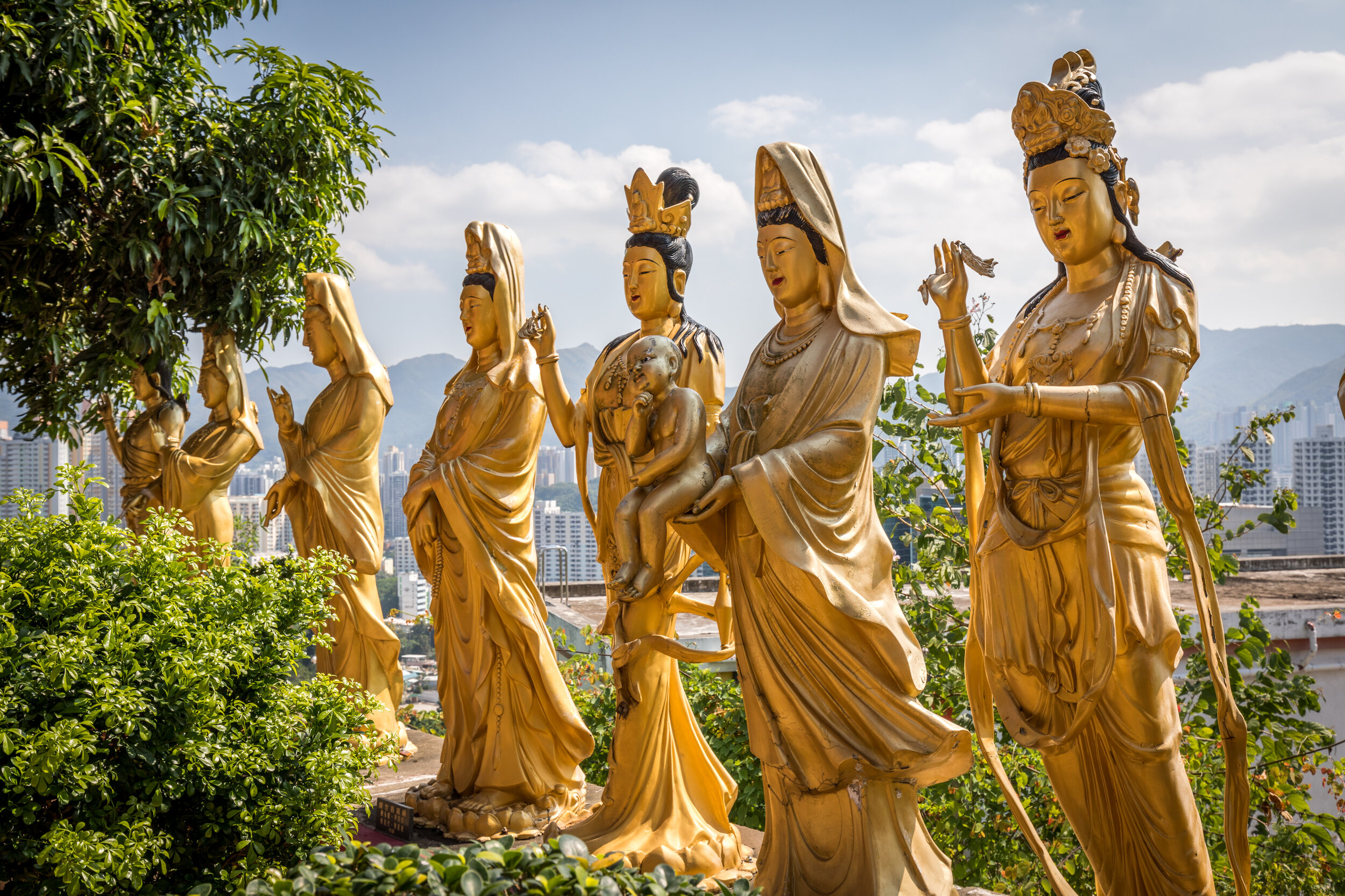
Much like the journey to Tian Tan, Ten Thousand Buddha’s is a test of will and determination. Over 400 steeply raked steps ascend the mountain. The walkway is lined with over 500 unique arhats or disciples. Each one signifies a different expression to demonstrate the uniqueness of man. We were thankful for the cloudy sky, but the humidity was still winning the battle. Each step up the mountain drained your energy. Every seating bench encountered was a “photo opportunity”, otherwise known as sit down and catch your breath. The higher we got, the clearer the message – this was a site for the devoted, it was their will that built it and their devotion was required to climb it. Tian Tan was built with modern technology and designed for tourists as well as the pilgrims. Ten Thousand Buddha’s was a test of will. Reaching the main temple brought a relief that wasn’t present at Tian Tan. The sight of a small cafeteria stocked with cold drinks was worth the climb. After quickly downing a few bottles of water and juice, we began to make our way around the complex. The plateau houses the main hall, a nine-storey pagoda and a panoramic view of Sha Tin below.
Entering the main hall to pay our respects and give a donation, your eyes adjust to the dim light and the centerpiece of the complex becomes visible; over 12 800 statues of Buddha line the walls. Each statue is gilded in gold, showing Buddha in unique positions and giving a sense of continuity and movement within the main temple. Yuet Kai remains with his temple today. His preserved body is presented in the middle, sitting calmly in the lotus position. A person can’t come here and not be moved by the surroundings. There is an immeasurable respect that must be given to the efforts of those that built this complex and even more for the sacrifices they made of themselves in committing to such a project. The devotion and discipline they demonstrated is something that would be unparalleled in modern western life. It is in this realization that Ten Thousand Buddha’s Monastery comes into focus. Much like the thousands of representations of Buddha which line the walls, there are infinite possibilities for the attitudes of men, but there are even fewer that are willing to devote themselves so completely to a noble cause. Ten Thousand Buddha’s is both a temple of celebration and a testament to the power of will and the kindness of people who believe in a cause.
We wandered around the rest of the grounds and found even more treasures. A large stone Buddha was cut into the side of a hill, relaxing peacefully and enjoying the skyline. Finally, we arrived at the upper mount and came face to face with a platinum statue of Kwun Yam, the Goddess of Mercy. We rested here, enjoying the view of the temple complex and the city below us, quietly appreciating the legacy of a devoted man.
Don’t forget to visit our Facebook page at facebook.com/fymphoto and hit the “Like” button!